Pest Control for New Construction in Harrison Township & Mullica Hill, NJ
New construction in Harrison Township and Mullica Hill brings unexpected pest challenges. Here's what new homeowners need to know about ants, mice, stink bugs, and termites in their first years in a new home.
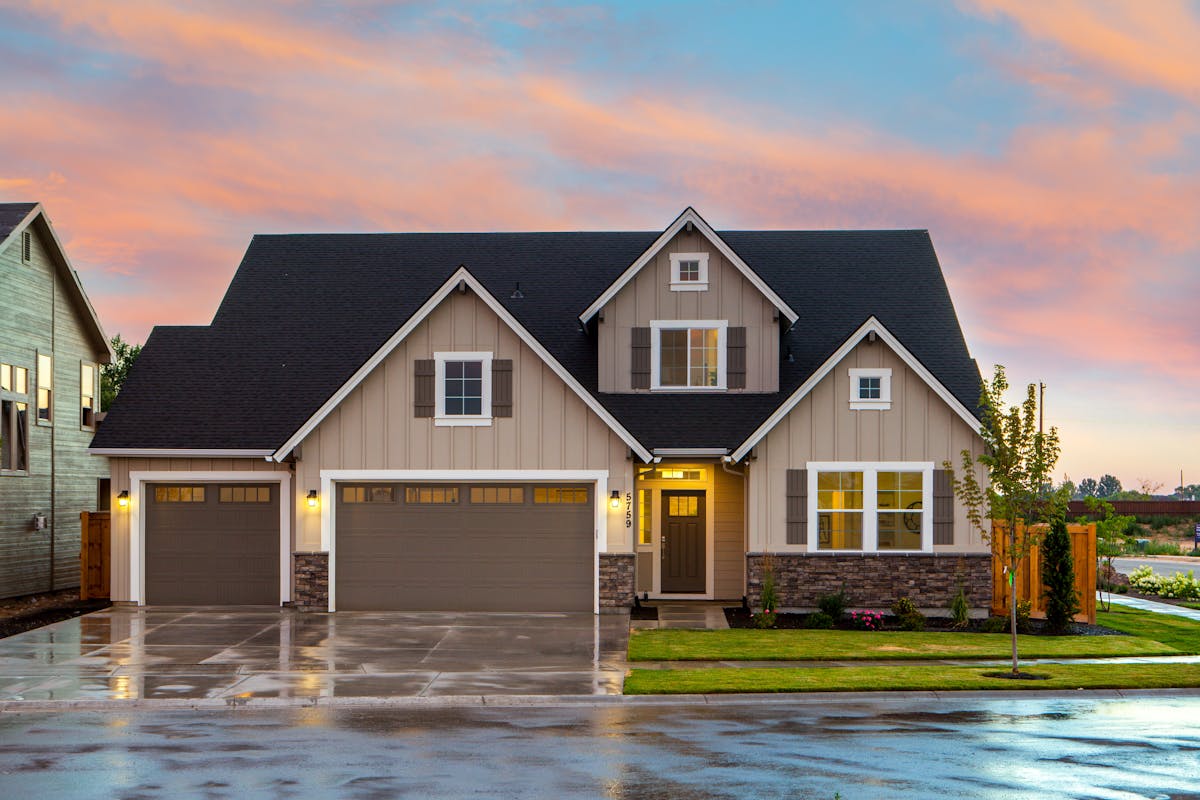
New Construction Brings Unexpected Pest Challenges
Harrison Township — home of the historic Mullica Hill village — is one of Gloucester County's fastest-growing communities. Significant new residential construction is underway along Mullica Hill Road, in the Richwood area off Route 322, in the planned communities near Clearview Regional High School, and throughout the township's open corridors. New construction in these areas represents a major investment, and many new homeowners are surprised to discover that brand-new homes have significant pest vulnerabilities that established homes don't have.
The reason is straightforward: construction radically disrupts the existing ecosystem. Clearing land, grading soil, and building structures disturbs the established populations of rodents, insects, and other organisms that lived in the fields, woodlots, and hedgerows that previously occupied the site. Those displaced populations don't simply disappear — they look for new habitat. And a newly built home sitting in the middle of what was recently a farm field is an extremely attractive option.
Why New Builds in the Mullica Hill Area Attract Pests
Disturbed soil and displaced rodent populations: When the farms and fields of Harrison Township are cleared for residential development, the mice, voles, and other small rodents that lived in the agricultural landscape are displaced. The new home under construction — and then the completed home at the edge of the remaining fields — becomes the closest available shelter. Fall rodent invasions in new Harrison Township homes are common in the first two to three years after completion, particularly as the landscape around the development continues to be built out phase by phase.
New landscaping mulch against the foundation: Builder-standard landscaping typically involves significant mulch depth in foundation beds. Mulch retains moisture against the foundation, provides excellent insulation for ant colonies and overwintering insects, and creates a conducive moisture environment that makes foundations more attractive to termites. New homeowners should maintain mulch at least six inches away from the foundation and keep it at a depth of two to three inches rather than the four to six inches that often comes with builder landscaping.
New construction wood attracts termites: Fresh-cut lumber used in home construction releases volatile compounds that are attractive to foraging termite workers. New wood framing that hasn't fully cured is also softer and more accessible to termite tunneling than aged, dried lumber. Not all builders in the Mullica Hill and Richwood area provide pre-construction termite treatment — many do not — which means many new homes in Harrison Township are standing on untreated soil with no chemical barrier between the structure and the termite colonies that may already exist in the soil beneath the slab or around the foundation.
Stink bugs attracted to new structures: Brown marmorated stink bugs are highly attracted to new construction. The sun-warmed south and west-facing walls of newly built homes, combined with the fact that new siding, windows, and trim often have small gaps that settle in during the first one to two years, make new Harrison Township homes a prime target for fall stink bug aggregations. New homeowners often report significantly worse stink bug invasions in years one and two than their neighbors in older established homes.
First-Year Pest Invasion Patterns in New Harrison Township Homes
- Spring (Year 1): Ants following the disturbed soil — pavement ants establishing in newly graded driveways and sidewalks, and carpenter ants moving from any remaining woodlots or landscape timbers on the property. Odorous house ants entering through foundation gaps that are common in new construction.
- Summer (Year 1): Mosquitoes from construction site standing water, retention basins on the development, and the disturbed drainage patterns that are common while developments are still being completed. Yellow jackets and wasps establishing nests in new landscaping and under new decks.
- Fall (Year 1): The major pest season for new construction — mice from adjacent open fields moving toward warm structures, stink bugs aggregating on new construction walls, cluster flies seeking overwintering sites in warm attic spaces. This is when new homeowners most commonly realize their new home has pest vulnerabilities they weren't expecting.
- Year 2-3: If pre-construction termite treatment was not provided by the builder, the risk window for termite entry is highest in the first three years as the soil settles, the foundation develops minor cracks, and foraging termite workers from existing colonies in the adjacent soil begin investigating the new structure.
Pre-Construction Termite Treatment: Ask Your Builder
If you are purchasing or have recently purchased a new construction home in Harrison Township's Richwood area or the Mullica Hill Road corridor, the single most important question to ask your builder is whether pre-construction termite treatment was applied. This treatment — typically a liquid termiticide applied to the soil under the slab before the concrete is poured — creates a chemical barrier that provides years of termite protection.
Many production builders in Gloucester County do not include pre-construction termite treatment as a standard feature. If your builder did not provide it, a post-construction perimeter termite treatment or termite bait station installation should be a priority before the first full year in your new home.
New Homeowner Pest Consultation
Gloucester County Pest Control offers new homeowner pest consultations for buyers and recent purchasers in Harrison Township, Mullica Hill, Richwood, and throughout Gloucester County. A consultation includes a full exterior and interior inspection of your new home, identification of current and potential pest entry points, termite risk assessment, and a customized first-year pest management plan. Call us at (856) 372-5092 to schedule a new construction pest consultation.