Pest Control in Washington Township, NJ: A Complete Guide
Washington Township is Gloucester County's largest community and has unique pest pressures from its mix of housing types. Learn what professional pest control looks like here.
Washington Township: Gloucester County's Pest Hotspot
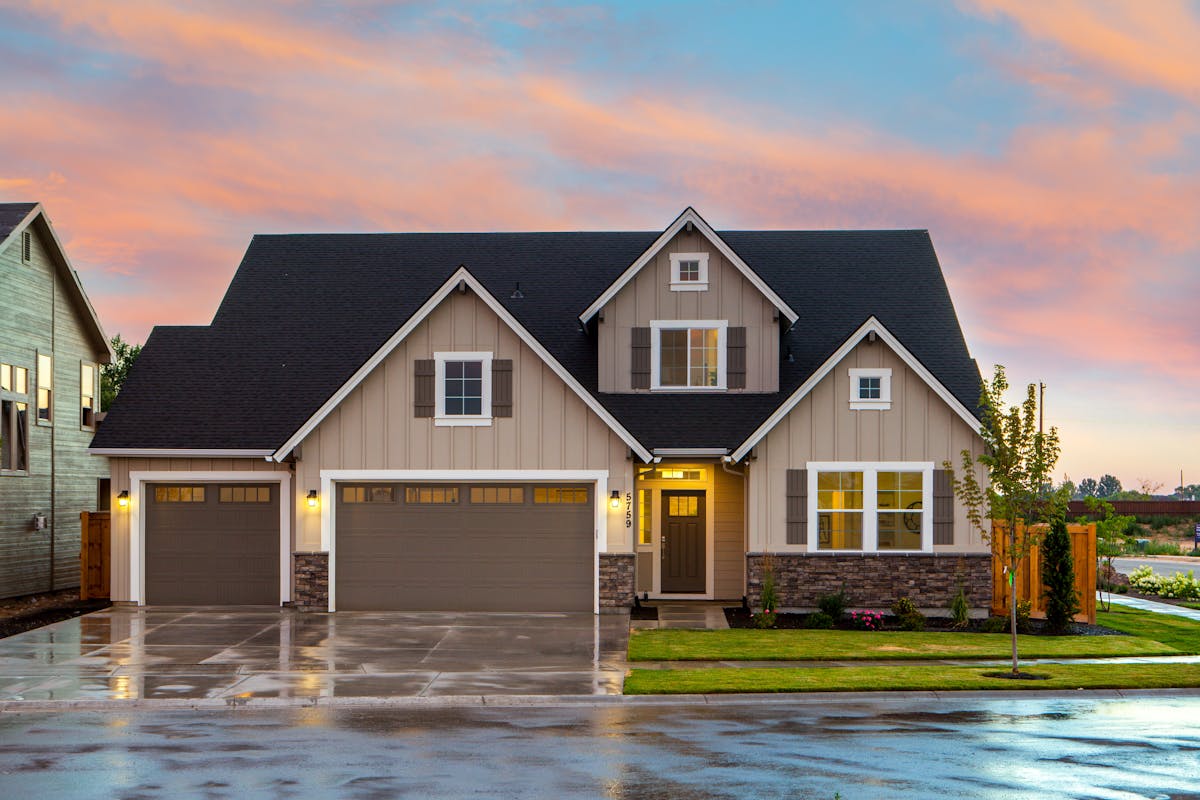
Washington Township is the largest municipality in Gloucester County — nearly 50,000 residents spread across 22 square miles of suburban development. The township's housing stock spans five decades: from the original 1960s developments in Hurffville and the Birches to the newer construction in the Egg Harbor Road corridor and Cross Keys. That range of building ages, lot sizes, and landscaping conditions creates pest pressure that varies block by block.
Gloucester County Pest Control Near Me serves more homes in Washington Township than any other community. Here's what we encounter most often and why.
Termites: The Silent Problem
Washington Township sits on the same sandy loam soil that runs through much of South Jersey — soil that allows eastern subterranean termites to tunnel freely and reach foundations with minimal resistance. The township's older developments, particularly those built in the 1970s and 1980s without pre-construction termite treatment, are at highest risk.
We find active termite infestations across all sections of Washington Township, but the highest concentration is in the established neighborhoods near Hurffville Road and along Egg Harbor Road where mature landscaping, aging foundations, and original wood framing combine to create ideal conditions.
Every Washington Township homeowner should have an annual termite inspection. The damage is invisible until it's significant, and the treatment cost is a fraction of the repair cost when termites go undetected for years.
Ants: Multiple Species, Multiple Strategies
Ant complaints in Washington Township peak in spring and summer, but the species mix varies by neighborhood:
- Carpenter ants — Most common in wooded lots and neighborhoods with mature tree canopy. Parent colonies establish in dead wood on the property, then satellite colonies move into moisture-damaged areas of the home. We see the heaviest carpenter ant activity in the developments backing up to preserved farmland and wooded parcels.
- Pavement ants — The small dark ants that build mounds in driveway cracks and sidewalk joints. Extremely common throughout Washington Township and one of the most frequent warm-weather service calls.
- Odorous house ants — Small brown ants that form trailing lines to food sources in kitchens and bathrooms. Crushing them releases a distinctive rotting-coconut odor. They nest in wall voids, under floors, and in mulch beds against the foundation.
Each species requires a different treatment approach. Carpenter ants need source colony elimination. Pavement ants respond to perimeter treatment and bait. Odorous house ants require baiting programs that eliminate the colony — spraying them just fragments the colony into multiple new colonies (a process called budding).
Rodents: Fall and Winter Invasion
Mouse calls in Washington Township spike dramatically in October as temperatures drop. House mice from surrounding fields and wooded areas seek warm shelter, and the gaps in a typical home's exterior provide dozens of entry points.
Common entry locations in Washington Township homes:
- Utility penetrations where gas, water, and electrical lines enter the foundation
- Garage door seals that have lost their compression
- Gaps between siding and foundation where settling has created openings
- Dryer vents and HVAC penetrations
- Where pipes enter under kitchen and bathroom sinks
Exclusion — physically sealing every entry point — is the only permanent solution. Trapping and baiting without exclusion is an endless cycle because new mice replace eliminated ones within weeks.
Mosquitoes and Ticks
Washington Township's numerous retention basins, the township's network of detention ponds, and the wooded corridors through residential areas create mosquito and tick habitat throughout the warmer months.
Tick-borne illness — Lyme disease, anaplasmosis, and ehrlichiosis — is documented in Gloucester County. Properties bordering wooded areas or preserved open space should take tick prevention seriously: professional perimeter treatment, regular yard maintenance, and personal protective measures when in tick habitat.
Professional Pest Control for Washington Township
Gloucester County Pest Control Near Me provides comprehensive pest management for Washington Township homeowners including:
- Annual termite inspections and treatment
- Targeted ant identification and elimination
- Rodent exclusion and trapping programs
- Seasonal mosquito and tick barrier treatment
- Wildlife removal and exclusion
Call us at (856) 320-4178 for a free estimate. We offer same-day and next-day service for Washington Township residents dealing with active infestations.