Termite Season in Gloucester County NJ — Signs, Prevention & Treatment
Every spring, eastern subterranean termites swarm across Gloucester County NJ, targeting homes in Washington Township, Woodbury, Deptford, and Pitman. Here’s how to recognize the signs, what treatment costs, and why an annual inspection is critical before swarm season peaks.
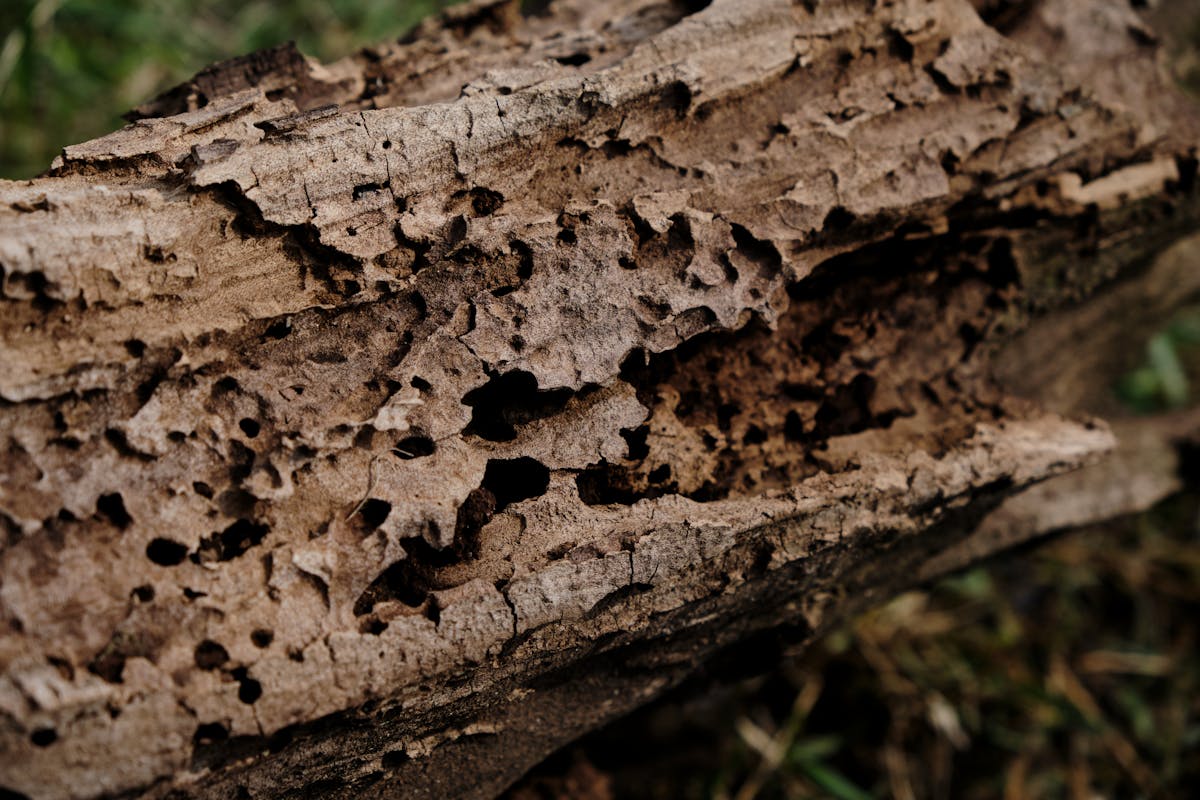
Why Spring Is Termite Season in Gloucester County, NJ
Every spring, as temperatures in Gloucester County climb above 70°F and the first warm rains arrive, eastern subterranean termites begin their annual swarm season. Swarms — the emergence of winged reproductive termites in search of new colony sites — peak across Gloucester County from late March through May. For homeowners in Washington Township, Woodbury, Deptford, Pitman, Glassboro, Monroe Township, and throughout the county, swarm season is both a warning and an opportunity: the chance to have your home inspected and treated before a small problem becomes a costly one.
New Jersey consistently ranks among the states with the highest termite pressure in the eastern United States. The sandy loam and clay soils that characterize much of Gloucester County allow eastern subterranean termites to tunnel freely through the ground, navigate around foundations, and reach the structural wood of your home with minimal resistance. Subterranean termites cause more property damage annually in the United States than fire, flood, and wind combined — and the majority of that damage occurs silently, hidden inside walls and beneath floors, long before homeowners see any visible sign.
What Do Termite Swarmers Look Like? (How to Tell Them Apart from Flying Ants)
The most common question we hear in spring from Gloucester County homeowners is this: “I found a swarm of flying insects near my window — are they termites or flying ants?” Here's how to tell the difference at a glance:
- Antennae: Termite swarmers have straight, beaded antennae. Flying ants have elbowed (bent) antennae.
- Waist: Termites have a broad, uniform waist between the thorax and abdomen. Ants have a pinched, narrow waist.
- Wings: Termite swarmers have two pairs of equal-length wings — much longer than the body. Ants have unequal wings; the front pair is noticeably larger.
- Wing shedding: Termite swarmers shed their wings shortly after emerging. Finding piles of discarded wings on window sills, near sliding doors, or along baseboards is a strong indicator of termite activity.
Finding swarmers outside your home means there is likely a large, mature termite colony in the soil near your foundation. Finding swarmers inside your home — emerging from window frames, baseboards, or near plumbing penetrations — means there is an active colony already inside your structure. Either situation calls for immediate professional inspection.
Top Signs of Termite Activity in Gloucester County Homes
Because subterranean termites work entirely inside wood and underground mud tubes, most homeowners in Gloucester County do not see the damage until it has progressed significantly. Knowing the early warning signs is critical:
- Mud tubes on the foundation: Eastern subterranean termites build pencil-width mud tubes from the soil to wood, using them as protected highways. Check the exposed concrete or block foundation around the base of your Washington Township, Deptford, or Mantua home every spring for these telltale tubes. Even an empty tube — one no longer actively in use — confirms prior or ongoing termite presence.
- Hollow-sounding wood: Tap structural members, door frames, window sills, and floor joists with a screwdriver handle. Wood that sounds hollow or papery has often been consumed from the inside out.
- Blistering or buckling surfaces: Floor damage from termites can mimic water damage — blistered or bubbling paint on wood surfaces, buckled floors, or soft spots underfoot may indicate termite feeding beneath the surface.
- Tight-fitting doors or windows: As termites consume wood and introduce moisture, door and window frames can warp, making them stick or difficult to open even when weather conditions are dry.
- Discarded wings near entry points: Spring swarmers shed their wings immediately after landing. A pile of tiny translucent wings near a window, door frame, or light fixture is one of the most recognizable signs of a recent termite swarm inside the structure.
Why Gloucester County Homes Are Especially Vulnerable This Time of Year
The combination of geography, soil type, and housing stock in Gloucester County creates specific termite vulnerabilities that every homeowner should understand:
Soil composition: The sandy loam soils prevalent throughout Gloucester County — from Monroe Township in the south to Washington Township and Deptford in the north — allow termite workers to tunnel freely without the compaction resistance found in heavier clay soils. This means foraging termites can reach virtually any home in the county with minimal effort.
Older housing stock: Woodbury's 19th-century homes, Pitman's Victorian architecture, and the post-war housing stock throughout Deptford, Mantua, and South Harrison were all built with untreated lumber — often without any pre-construction termite soil treatment. The older a home, the more likely it is that its original wood framing has never received any termite protection, and the longer that protective gap has been open to foraging colonies.
Wood-to-soil contact: Many older Gloucester County homes have porches, deck posts, landscape timbers, and wood-to-foundation contact points that give termites a direct, unobstructed path from the ground into structural wood. Spring is the ideal time to inspect and address every one of these contact points before swarm season peaks.
Moisture conditions: Spring rainfall raises soil moisture throughout Gloucester County, making the ground more hospitable to termite movement and colony expansion. Homes with drainage issues, wet crawl spaces, or moisture-damaged wood in the lower structure are at elevated risk every spring and early summer.
Professional Termite Inspection: What to Expect
A professional termite inspection for a Gloucester County home is a thorough, systematic evaluation of the entire structure. Our licensed inspectors examine:
- The full exterior foundation perimeter for mud tubes, wood-to-soil contact, and evidence of termite entry
- The complete basement or crawl space, including all accessible floor joists, sill plates, support beams, and sub-flooring
- Interior areas including door and window frames, baseboards, and any area where wood contacts concrete or masonry
- Attached structures including porches, decks, attached garages, and utility sheds
- Moisture conditions throughout the structure that could attract or sustain termite activity
Annual inspections are strongly recommended for every Gloucester County homeowner — especially those in Woodbury, Pitman, Mantua, Monroe Township, and the older neighborhoods of Washington Township and Deptford. The cost of an annual inspection is minimal compared to the structural repair costs that can result from years of undetected termite feeding.
Termite Treatment Options for Gloucester County Homes
When our inspectors identify active termite activity or high-risk conditions in a Gloucester County home, there are two primary professional treatment approaches:
Liquid termiticide treatment (soil barrier): The most widely used treatment method for subterranean termites. A liquid termiticide is applied to the soil around and beneath the foundation, creating a continuous chemical barrier. Modern non-repellent termiticides — such as fipronil-based products — are undetectable by termites. Workers pass through the treated zone and carry the active ingredient back to the colony on their bodies, ultimately eliminating the entire colony through horizontal transfer rather than just killing individual foragers. Treatment costs for a typical Gloucester County home range from $800 to $2,500, depending on the home's perimeter, foundation type, and the extent of any active infestation.
Termite bait systems: Monitoring and bait stations are installed in the soil around the home's perimeter at regular intervals. Worker termites discover the bait during foraging and carry it back to the colony, where it spreads to nestmates. Bait systems are particularly appropriate for homes where liquid treatment would be challenging — slabs without accessible drill points, or properties near water features. Annual monitoring programs typically range from $400 to $800 per year, providing continuous protection with regular technician visits.
For many Gloucester County homes — particularly older properties in Woodbury, Pitman, and the established neighborhoods of Washington Township — a combination approach is most appropriate: liquid treatment to address an active infestation plus ongoing monitoring stations for long-term colony detection and prevention.
Termite Prevention Steps for Gloucester County Homeowners
Professional treatment is the most reliable protection, but these maintenance practices reduce termite risk and complement any treatment program:
- Eliminate wood-to-soil contact — deck posts, landscape timbers, fence boards, and wood siding that touch the ground give termites a direct path into your home's structure
- Keep mulch at least six inches from the foundation — wet organic mulch retains moisture and is attractive to termites; maintain a dry, mulch-free zone against your foundation wall
- Direct downspout drainage away from the foundation — moisture accumulation near the foundation makes the soil hospitable to termite colony expansion and movement
- Address crawl space moisture — vapor barriers, proper ventilation, and dehumidification reduce the moisture conditions that make crawl space wood vulnerable to both termites and wood decay fungi
- Remove wood debris from the yard — old stumps, buried scrap lumber, and firewood piles close to the home can sustain satellite termite colonies that eventually migrate into the structure
- Inspect and maintain gutters — overflowing gutters deposit water against fascia boards and soffits, creating the moisture-damaged wood that termites readily exploit
Frequently Asked Questions: Termite Season in Gloucester County, NJ
When does termite swarm season start in Gloucester County?
Termite swarm season in Gloucester County typically begins in late March and peaks through April and May. Swarms most commonly occur on warm days above 70°F following a significant rain event, usually in the late morning and early afternoon hours. Secondary swarms can occur sporadically through June on suitable weather days. If you observe a swarm at any point during spring or early summer, contact a licensed pest control professional immediately — whether the swarm is outside your home or emerging from within the structure.
How much does termite treatment cost in Gloucester County?
Termite treatment costs for a typical single-family home in Gloucester County range from $800 to $2,500 for a liquid soil barrier treatment, depending on foundation perimeter, foundation type, and the extent of any active infestation. Annual termite bait monitoring programs typically run $400 to $800 per year. These costs are a fraction of what structural repairs from untreated termite damage can require — which can exceed $10,000 to $30,000 or more in severely damaged older homes like those found in Woodbury or Pitman.
Do I need an annual termite inspection even if I don't see any signs?
Yes — strongly. Eastern subterranean termites cause the vast majority of their structural damage before any sign becomes visible to homeowners. By the time you notice blistering wood, hollow-sounding floor joists, or swarmers emerging from a wall, a colony may have been actively feeding on your home for two to five years. Annual professional inspections catch termite activity at the earliest stages, when treatment is simpler, less expensive, and before structural damage has accumulated. For any Gloucester County home — particularly those built before 1990 without documented pre-construction treatment — an annual inspection is strongly recommended.
Protect Your Gloucester County Home This Termite Season
Spring is the most critical time of year to have your Gloucester County home inspected for termite activity. Whether you live in Woodbury, Washington Township, Deptford, Pitman, Glassboro, Monroe Township, Mantua, or Swedesboro, Gloucester County Pest Control Near Me provides thorough termite inspections, professional liquid treatment, and ongoing monitoring programs tailored to the specific risks of our region's housing stock and soil conditions.
Call us at (856) 372-5092 to schedule your spring termite inspection. We serve all 24 municipalities of Gloucester County and can typically schedule within two to three business days. Don't wait until you see swarmers emerging inside your home — by then, the colony is already well-established.