Termite Season in Woodbury & Pitman, NJ
Woodbury's 19th-century homes and Pitman's Victorian architecture have never been pre-treated for termites — and Gloucester County's swarm season is already here.
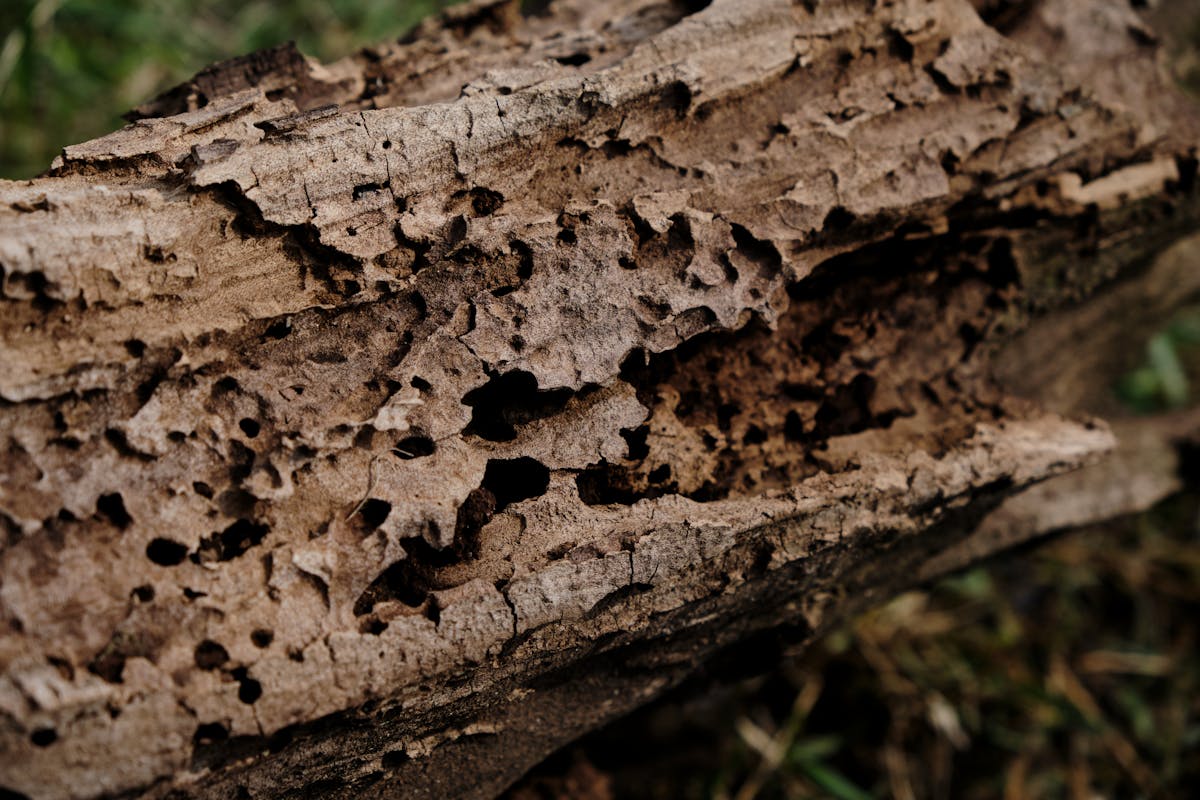
The Termite Risk Hidden in Gloucester County's Historic Boroughs
Woodbury and Pitman are two of the most architecturally distinctive communities in Gloucester County. Woodbury, as the county seat, contains some of the oldest residential and commercial buildings in the region — Federal-style homes, Victorian townhouses, and early 20th-century craftsman bungalows line its historic streets. Pitman's Victorian-era homes along Broadway and its surrounding neighborhoods make it one of South Jersey's most charming historic communities.
Both communities share a critical vulnerability: the vast majority of these homes were built long before modern termite pre-treatment practices existed, and many have never received any termite protection whatsoever. In a region with active subterranean termite populations, that is a serious risk.
Why Older Boroughs Are Termite Targets
Pre-war homes — those built before World War II — were constructed with old-growth lumber that is dense, durable, and unfortunately very attractive to termites. This wood has also had decades to absorb the slight moisture that makes it even more appealing. Consider what a 100-year-old Woodbury home has in its favor from a termite's perspective:
- Abundant untreated wood in structural members, floor joists, sill plates, and subfloor
- A century's worth of minor foundation cracks and settling that brings soil into contact with wood
- Old crawl spaces or dirt-floor basements with minimal moisture barriers
- Wood members that have been slightly softened by decades of humidity fluctuation
- A soil environment that has never been treated with termiticide
Pitman's Victorian homes often have wood porches, decorative trim, and wooden structural elements that connect directly to the soil — exactly the kind of wood-to-soil contact that gives termites easy access. A termite colony doesn't need to overcome any barrier in these homes; it can walk right in.
Swarm Season in Gloucester County
Subterranean termite swarm season in Gloucester County typically begins in late March and peaks in April, with secondary swarm events continuing into May and early June. Swarms occur on warm days (above 70°F) following rain, when winged reproductive termites emerge by the thousands to mate and establish new colonies.
If you see a termite swarm, here's how to know it's termites and not flying ants:
- Termite swarmers have straight, beaded antennae; ants have elbowed antennae
- Termite swarmers have a thick, uniform waist; ants have a narrow, pinched waist
- Termite swarmers have two pairs of equal-length wings; ants have unequal wings
- Termite swarmers emerge from the ground or from wood — often near window frames or foundation cracks
Finding swarmers outside your home means there is likely a large colony in your soil. Finding swarmers inside your home means there is an active colony already in your structure. Either situation calls for immediate professional attention.
What a Professional Termite Inspection Finds
A professional termite inspection of a Woodbury or Pitman home involves a systematic examination of:
- The exterior foundation perimeter, looking for mud tubes, soil-to-wood contact, and wood damage
- The crawl space or basement, including all accessible floor joists, sill plates, and support beams
- Interior door frames, window sills, and baseboards for hollow-sounding wood and exit holes
- Moisture conditions that may attract or sustain termite activity
- Attached structures like porches, garages, and decks
In older Woodbury and Pitman homes, inspectors often find evidence of prior termite activity that was never treated, as well as active infestations that are far larger than the homeowner realized. Early detection saves enormous amounts of money — catching a colony before it has damaged major structural members can mean the difference between a $1,500 treatment and a $30,000 structural repair.
Treatment Options for Historic Homes
Treating termites in a 100-year-old historic home requires care and expertise. Modern liquid termiticide treatments are applied to the soil around and under the foundation — not to the wood itself — so they don't affect the structural integrity or historical character of the home. Termite bait stations can be placed around the perimeter without any drilling or soil disruption.
For homes with active infestations, localized wood treatment may be recommended for specific areas where termites are found in wall voids or floor systems. In cases of severe structural damage, coordination with a structural engineer may be needed before treatment begins.
Schedule Your Annual Termite Inspection
Every home in Woodbury and Pitman should have an annual termite inspection. The cost is minimal compared to the potential damage, and early detection means treatment options are simpler and less expensive.
Call Gloucester County Pest Control at (856) 320-4178 to schedule your termite inspection. We serve Woodbury, Pitman, West Deptford, Mantua, and all of Gloucester County.