Termite Swarm Season in Gloucester County: What South Jersey Homeowners Need to Know This Spring
Gloucester County's sandy loam soil is perfect for subterranean termite tunneling. Swarm season peaks April-May — here's what to watch for and why older boroughs like National Park and Woodbury Heights are at highest risk.
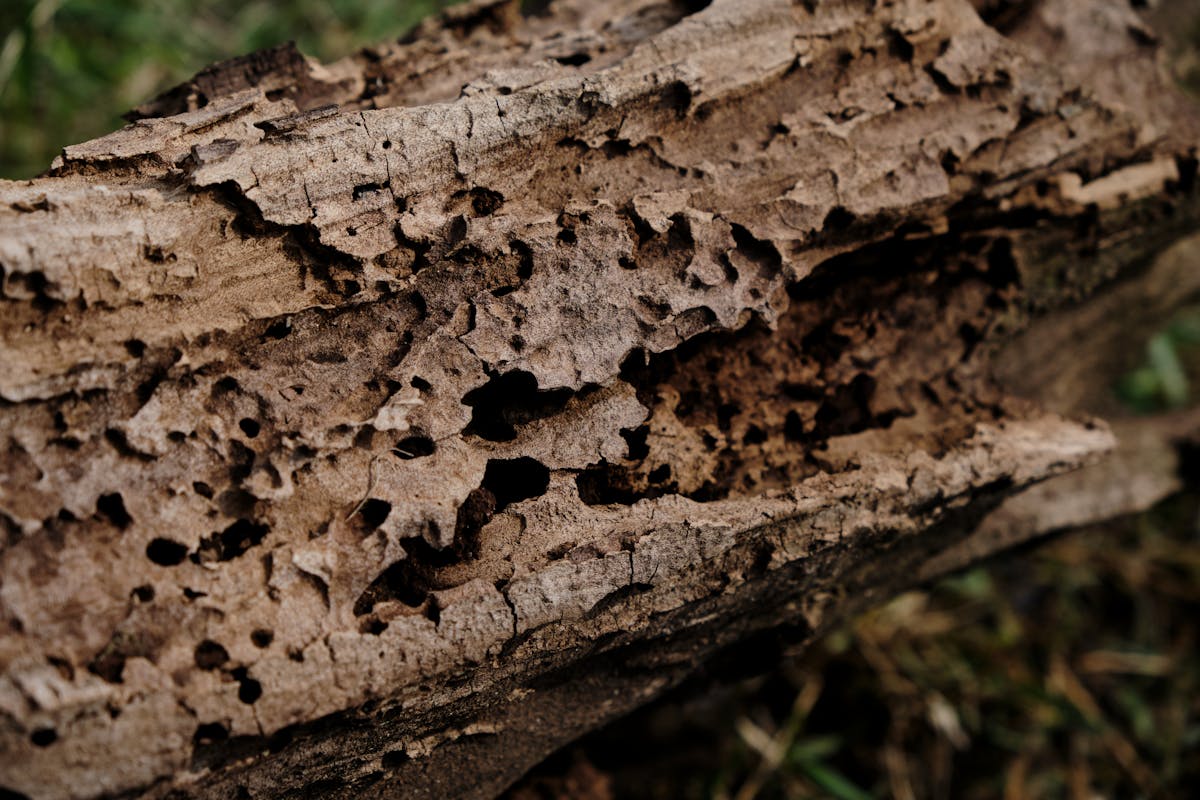
Gloucester County's Soil Makes Termite Tunneling Easy
Gloucester County sits squarely on the New Jersey coastal plain, characterized by sandy loam soils that eastern subterranean termites (Reticulitermes flavipes) tunnel through with remarkable ease. Unlike the heavier clay soils of northern New Jersey that create more physical resistance to termite movement, the light, well-drained soils found throughout Washington Township, Deptford, Monroe Township, and the borough communities of Gloucester County offer minimal resistance to foraging termite workers. A colony can extend its gallery system 50 to 100 feet or more through this soil in search of wood.
This geographic reality, combined with the county's diverse housing stock — from 19th-century borough homes to 1970s-era suburban developments to new construction on previously agricultural land — creates significant termite risk throughout the county. And spring swarm season is when homeowners most commonly discover that termites have been silently working beneath their homes.
When Termites Swarm in Gloucester County
Subterranean termite swarm season in Gloucester County typically begins in late March, peaks in April, and continues with secondary swarm events into May and early June. Swarms occur on warm days — typically when temperatures rise above 65°F — following rain events that raise soil moisture levels. On peak swarm days, winged reproductive termites (alates) emerge by the hundreds or thousands from mature colonies to mate and attempt to establish new colonies.
- Termite swarmers vs. flying ants: This is the most important identification skill for Gloucester County homeowners. Termite swarmers have straight, beaded antennae — ant swarmers have elbowed antennae. Termite swarmers have a thick, uniform waist — ants have a narrow, pinched waist. Termite swarmers have two pairs of equal-length wings that fall off readily — ants have unequal front and rear wings. Finding shed wings near window sills or on surfaces near the foundation is often the clearest sign of a termite swarm.
- Where swarmers emerge: From the soil near the foundation, from expansion joints in slabs, from around window frames and door frames, or directly from wood if an interior colony is advanced enough. Finding swarmers inside your home — particularly if you find shed wings on interior windowsills — means there is an active colony already inside your structure. This requires immediate professional attention.
Communities at Highest Termite Risk in Gloucester County
While termites are found throughout Gloucester County, several communities have particularly high historical termite activity due to the age of their housing stock and proximity to moisture sources:
- National Park Borough: One of the older working-class boroughs in Gloucester County, situated along the Delaware River. River proximity means persistent soil moisture and extensive termite activity documented over decades. Many homes in National Park were built before termite pre-treatment was standard practice.
- Westville Borough: Similarly situated near the Delaware River with older housing stock and a long history of termite activity in the pre-war homes that characterize much of the borough.
- Woodbury Heights Borough: Pre-war and early post-war homes throughout this small borough have never received pre-construction termite treatment and face elevated subterranean termite risk.
- Mantua Township: Older sections of Mantua, particularly near Mantua Creek, have significant moisture conditions that support termite activity in adjacent residential structures.
- West Deptford Township: River proximity, moisture from the Delaware River floodplain, and a mix of housing ages create elevated termite risk in West Deptford's residential neighborhoods.
Treatment Options: Liquid Barrier vs. Bait System
Liquid termiticide barrier: A trench is dug around the foundation perimeter and liquid termiticide is applied to the soil, creating a treated zone that kills termites on contact as they attempt to tunnel from the soil to the structure. When properly applied, this method provides protection that lasts 5 to 10 years. It is also used for spot treatments in specific areas of active infestation.
Termite bait systems: Bait stations are installed in the soil around the home's perimeter. Termites discover the bait while foraging, feed on it, and share it with colony members through normal feeding behavior. The active ingredient disrupts molting, eliminating the colony over a period of weeks to months. A bait system provides ongoing termite protection and eliminates the colony rather than simply blocking access to the structure.
What NOT to Do If You Find Termites
- Do not seal mud tubes: Sealing termite mud tubes without treating the underlying colony simply forces termites to build new tubes in different locations — it does nothing to address the infestation.
- Do not spray over-the-counter products on mud tubes or swarmers: Consumer termiticide sprays cannot penetrate the soil around your foundation to reach the colony. They have essentially no effect on a subterranean termite infestation.
- Do not disturb areas of active activity: Disturbing active termite galleries can cause the colony to retreat and make professional treatment more difficult.
Call Gloucester County Pest Control at (856) 372-5092 for a free termite estimate. We serve all 24 municipalities of Gloucester County and can typically schedule inspections within 2 to 3 business days. Don't wait until after peak swarm season — getting an inspection now means treatment options are simpler and less expensive.