Warehouse & Distribution Center Pest Control Along I-295 in Gloucester County, NJ
Gloucester County's I-295 logistics corridor is one of the fastest-growing distribution hub areas on the East Coast — and every warehouse faces serious pest pressure. IPM-based pest control programs with FDA-compliant documentation.
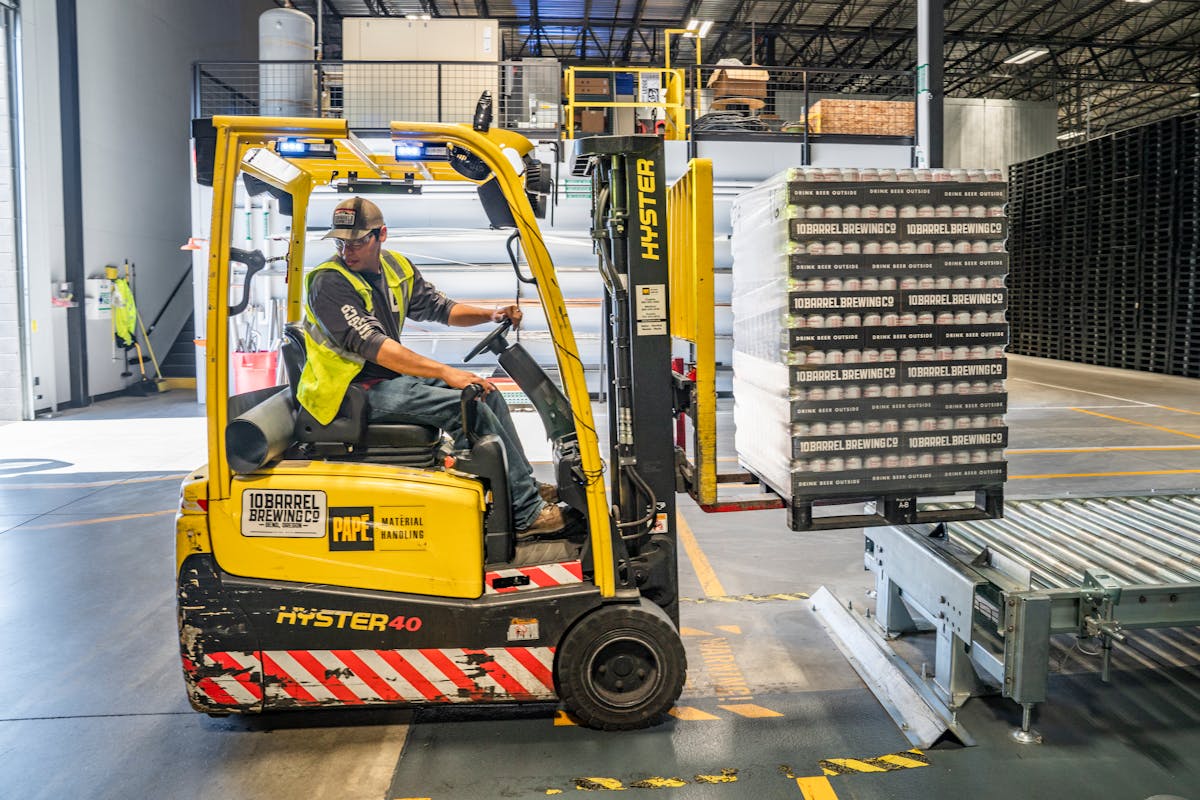
The East Coast Logistics Epicenter Has a Pest Problem
Gloucester County and neighboring Salem County have officially become one of the fastest-growing logistics and warehouse construction zones on the entire East Coast. The I-295 corridor, the NJ Turnpike Exit 2 interchange in Woolwich Township, and the industrial zones along the Commodore Barry Bridge in Logan Township have attracted more than 46 major distribution facilities in recent years — with new development continuing at a rapid pace. Amazon, major 3PL providers, national retailers, and food distributors have all established major presences in the Swedesboro and Woolwich Township logistics parks.
And every one of these facilities faces significant pest pressure. Norway rats nesting in loading dock areas and dumpster corrals. Mice entering through loading dock gaps and utility penetrations. German cockroaches establishing colonies in break rooms and cafeterias. Stored product beetles hitchhiking inside palletized shipments. Flies breeding in organic material around dumpster areas. These pests aren't just a nuisance — they're a regulatory liability, an audit risk, and a potential threat to customer relationships and product integrity.
The Specific Pest Pressures of the Gloucester County Logistics Corridor
Norway rats: The Woolwich Township and Swedesboro areas were agricultural land until recently, and Norway rat populations established in hedgerows, ditches, and field margins haven't disappeared — they've simply relocated to the margins of adjacent warehouse developments. Norway rats burrow in dock areas, dumpster corrals, and around exterior foundation zones. They enter structures through gaps as small as half an inch, contaminate product, damage equipment and infrastructure, and create significant fire risk by chewing electrical wiring.
House mice: Mice enter warehouse facilities through quarter-inch gaps at dock doors that don't seal properly, through utility penetrations, and through any gap in the building envelope that hasn't been properly sealed. A single pair of mice can produce more than 200 offspring per year inside a heated warehouse. Mice contaminate product with droppings and urine and trigger audit violations immediately.
German cockroaches: Break rooms, locker areas, cafeteria facilities, and vending machine areas in large distribution centers provide exactly the warmth, moisture, and food debris that German cockroaches need to thrive. They spread from the employee areas into adjacent food storage and processing spaces in facilities that handle consumer goods. German cockroaches are among the most difficult pests to eliminate without professional gel bait programs.
Stored product pests: Indian meal moths, grain beetles, flour weevils, and other stored product insects hitchhike into facilities inside palletized shipments, cardboard packaging, and bulk commodities. Pheromone trap monitoring programs are the industry standard for early detection before infestations reach customers and trigger supply chain investigations.
- Flying insect control — light traps and exterior fly pressure reduction around dock areas and dumpster zones
- Perimeter rodent bait station programs with tamper-resistant stations and numbered station maps
- Dock door gap inspection and exclusion recommendations to reduce entry points
- Interior pheromone trap monitoring for stored product pests
- Break room and cafeteria cockroach management using gel bait
FDA Food Safety Modernization Act (FSMA) Compliance
Under FDA's Food Safety Modernization Act Preventive Controls for Human Food rule, food warehouses and distribution centers are required to document pest control as part of their Preventive Controls plan. Our commercial programs are structured specifically to support FSMA compliance and third-party audit preparation:
- Internal service records maintained for every visit, including date, technician, areas serviced, products used with EPA registration numbers, and any pest activity noted, with findings flagged directly to your team
- Numbered trap and station maps with catch trend data for pheromone traps and rodent stations
- Direct communication to your team for any significant catch activity requiring corrective action
- Annual facility assessment report for audit file preparation
- Support for AIB International, SQF, BRC, and other GFSI-recognized audit standards
Service Area: The Gloucester County Logistics Corridor
We provide commercial pest control programs for warehouses and distribution facilities throughout the Gloucester County logistics zone:
- Woolwich Township: NJ Turnpike Exit 2 logistics park, Route 322 corridor, and the rapidly developing Woolwich industrial area
- Swedesboro Borough: Historic commercial district and the major logistics facilities surrounding this Delaware River community
- Logan Township: Commodore Barry Bridge industrial zone and the Route 322 east-west corridor
- West Deptford Township: Route 130 industrial corridor and Delaware River waterfront facilities
- Deptford Township: I-295 interchange commercial and industrial zones
- Bridgeport area (Logan Township border): Industrial facilities along the Delaware River
Call Gloucester County Pest Control at (856) 372-5092 to schedule a commercial facility assessment. We respond same-day or next-day for urgent rodent or cockroach situations that threaten operations or upcoming audits.